

What Volunteering at a Shelter Actually Looks Like
Not glamourous, not Instagram-perfect, and absolutely worth it. Here's what my shifts look like, what I've learned, and how you can get started too.

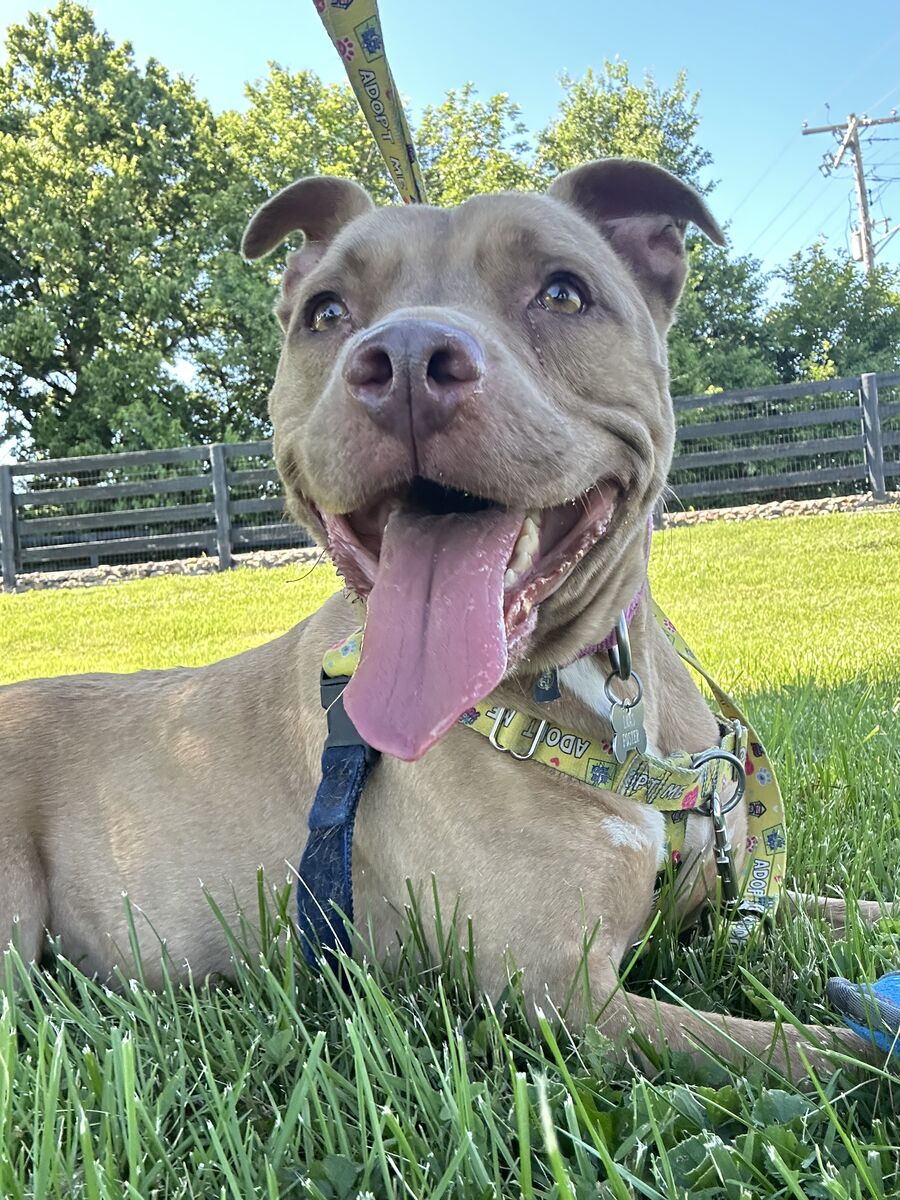
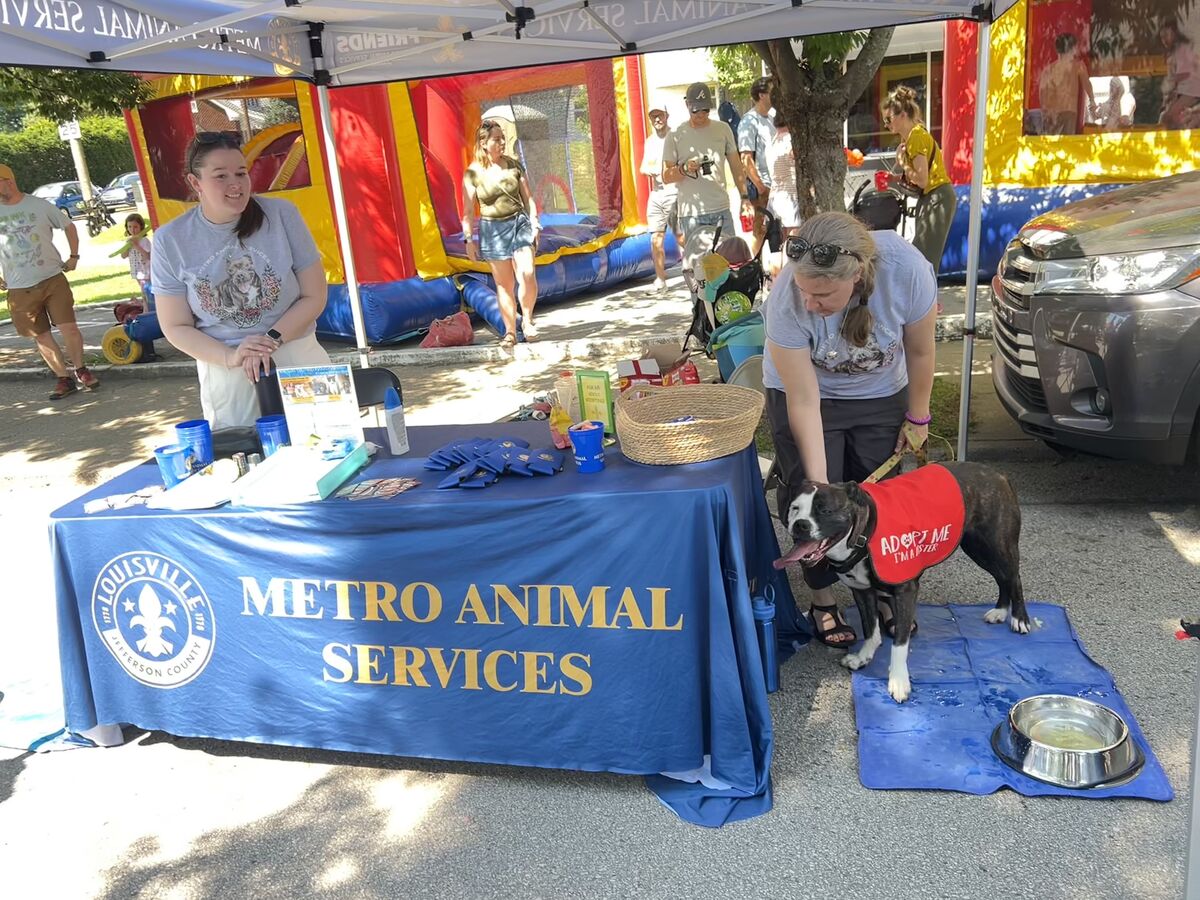
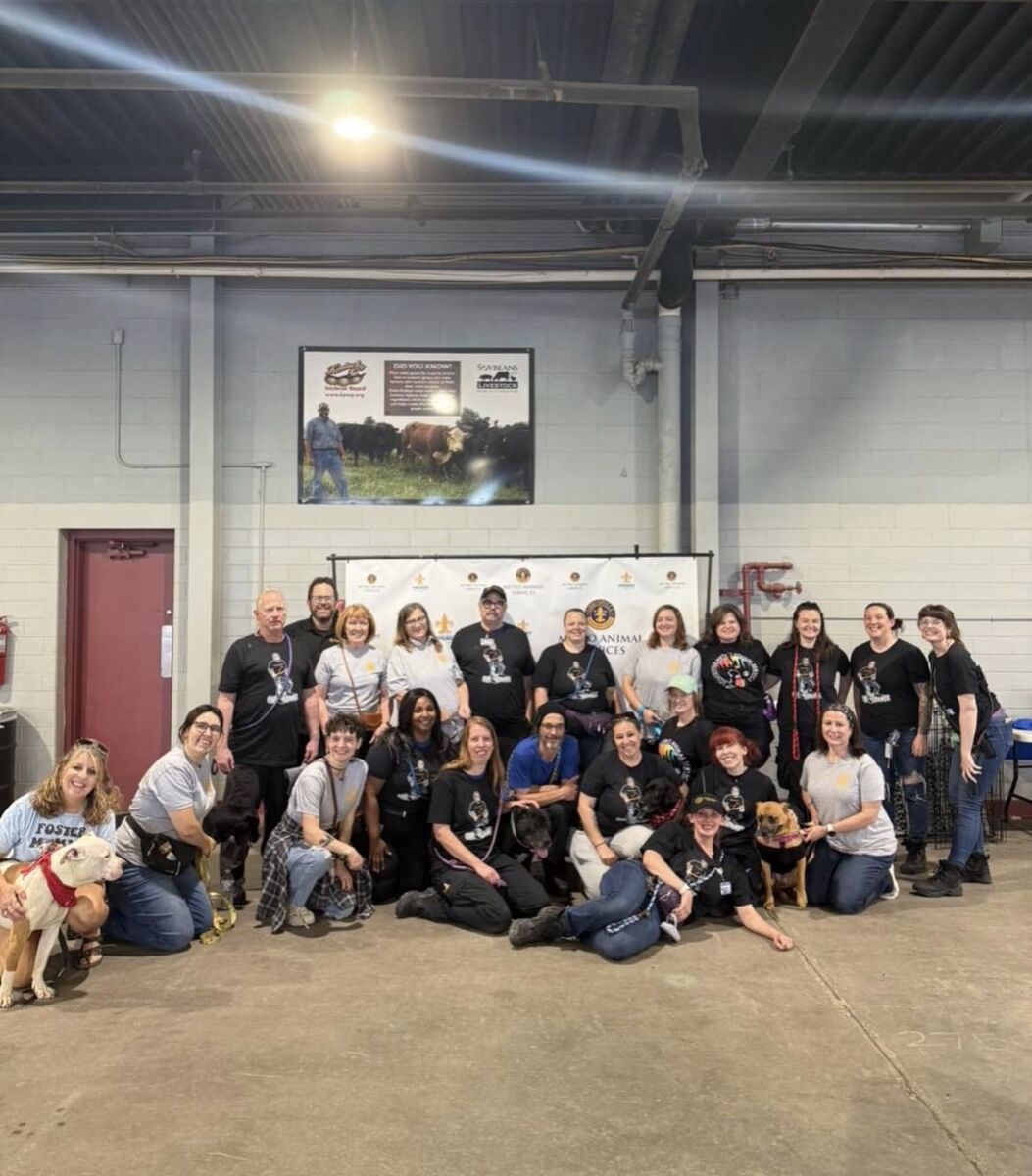
What My Shift Looks Like
I volunteer weekly at a local shelter in Louisville. I started because I wanted to be around dogs more. I stayed because the dogs need someone who shows up, and honestly, I need it too. Here's what actually happens during a typical shift.
Walking Dogs
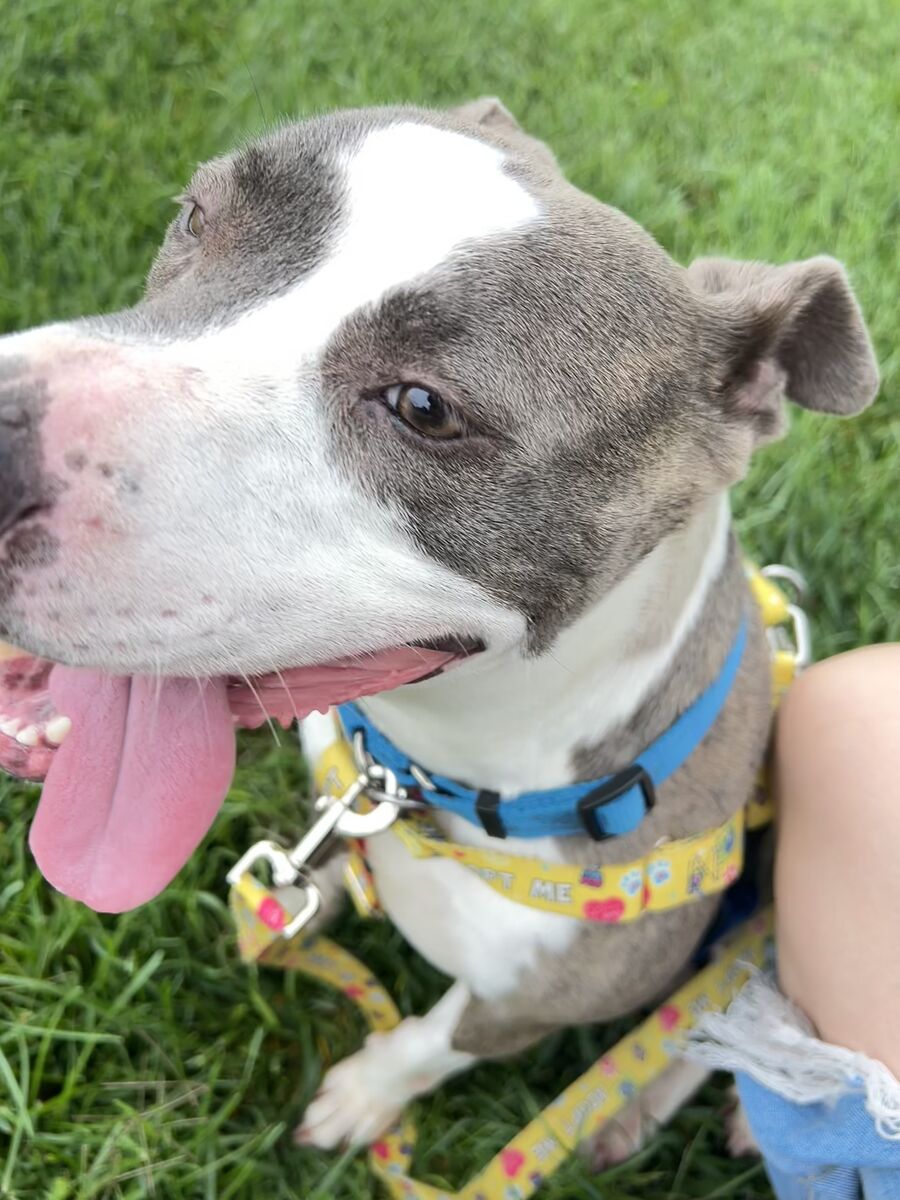
This is the big one and probably what you're picturing. You check the board for who needs a walk, grab a leash, and take them out. Some dogs practically drag you to the door. Others need gentle encouragement to even step outside. You learn to read each dog fast: the excitable puller, the nervous sniffer, the one who just wants to sit in the sun for ten minutes. Every walk teaches you something.
Making Enrichment Treats
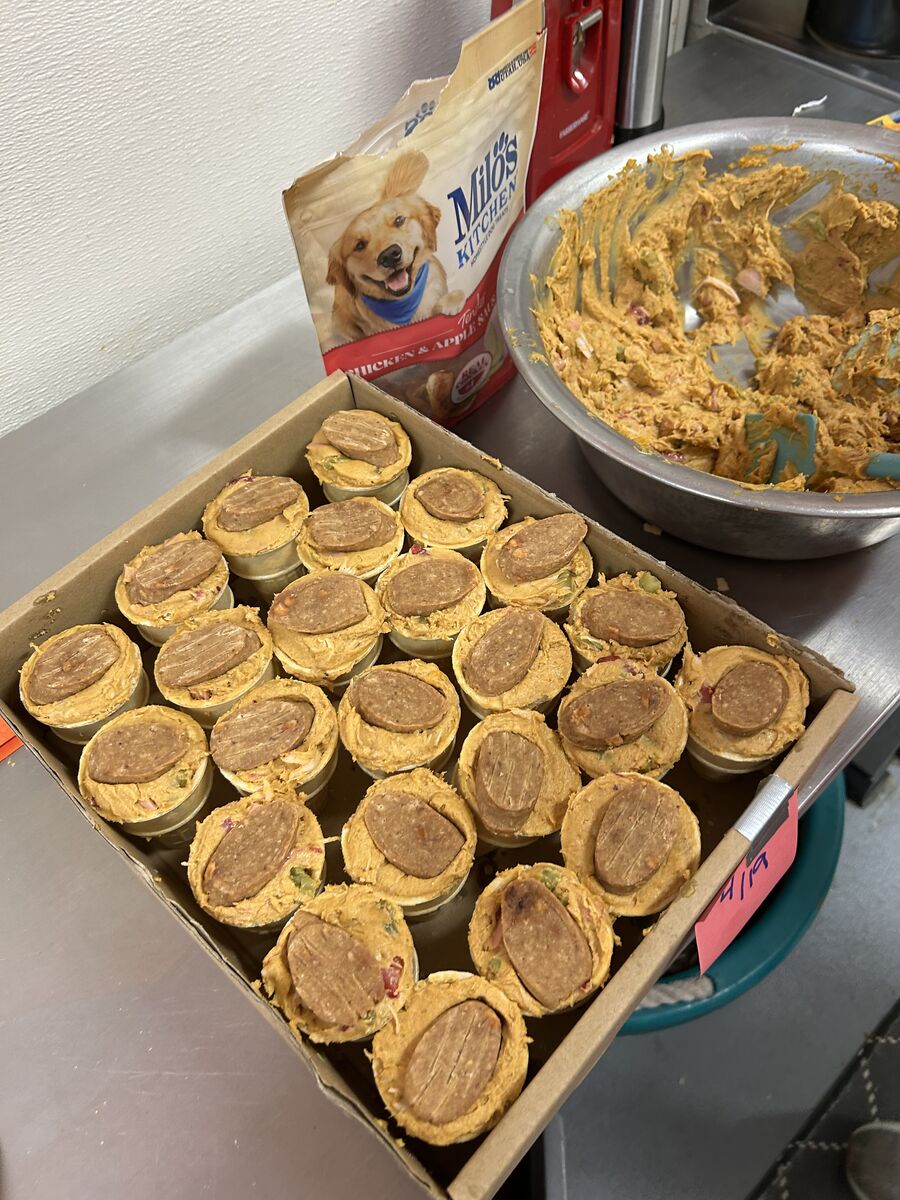
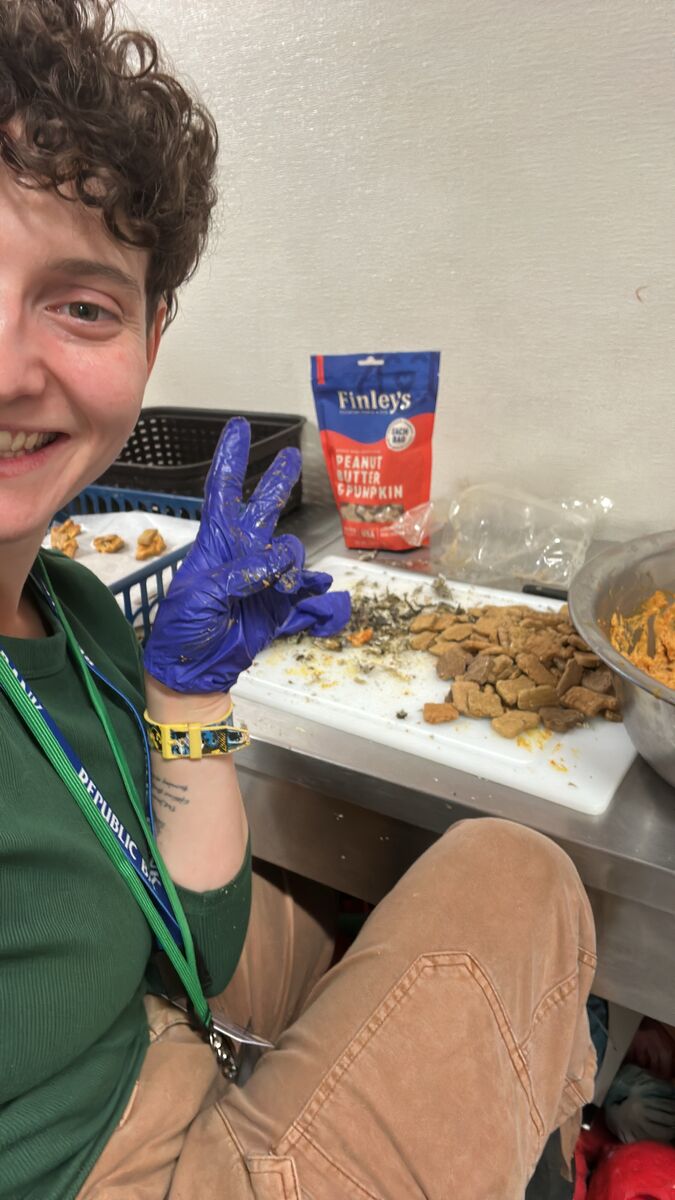
Take treats, protein, peanut butter, yogurt, and stuff it into tortillas, puzzle toys, or paper bags folded shut. Every dog gets one. It's creative, it's at your own pace, and when you're done you get to hand them out. Watching a dog go to town on something you made is genuinely the best feeling.
Field Trips
Some shelters let you take dogs off-site for field trips: a walk in the park, a visit to a pet-friendly store, even just a car ride. These outings give the dogs a break from the kennel environment and help staff learn how the dog behaves in the real world. It's also how I ended up writing adoption profiles for the dogs I take out. A field trip teaches you more about a dog in one hour than a week of kennel-side observation.
Writing Adoption Profiles
After field trips, I write up what I learned about each dog. Not generic "good boy" stuff, but the real details. Do they like squeaky toys? Are they nervous in the car? Would they do best with a yard? The right person scrolling through Petfinder can recognize their dog when they read something specific, not something that could describe any dog. This is probably where I contribute the most, because a good profile genuinely gets dogs adopted.
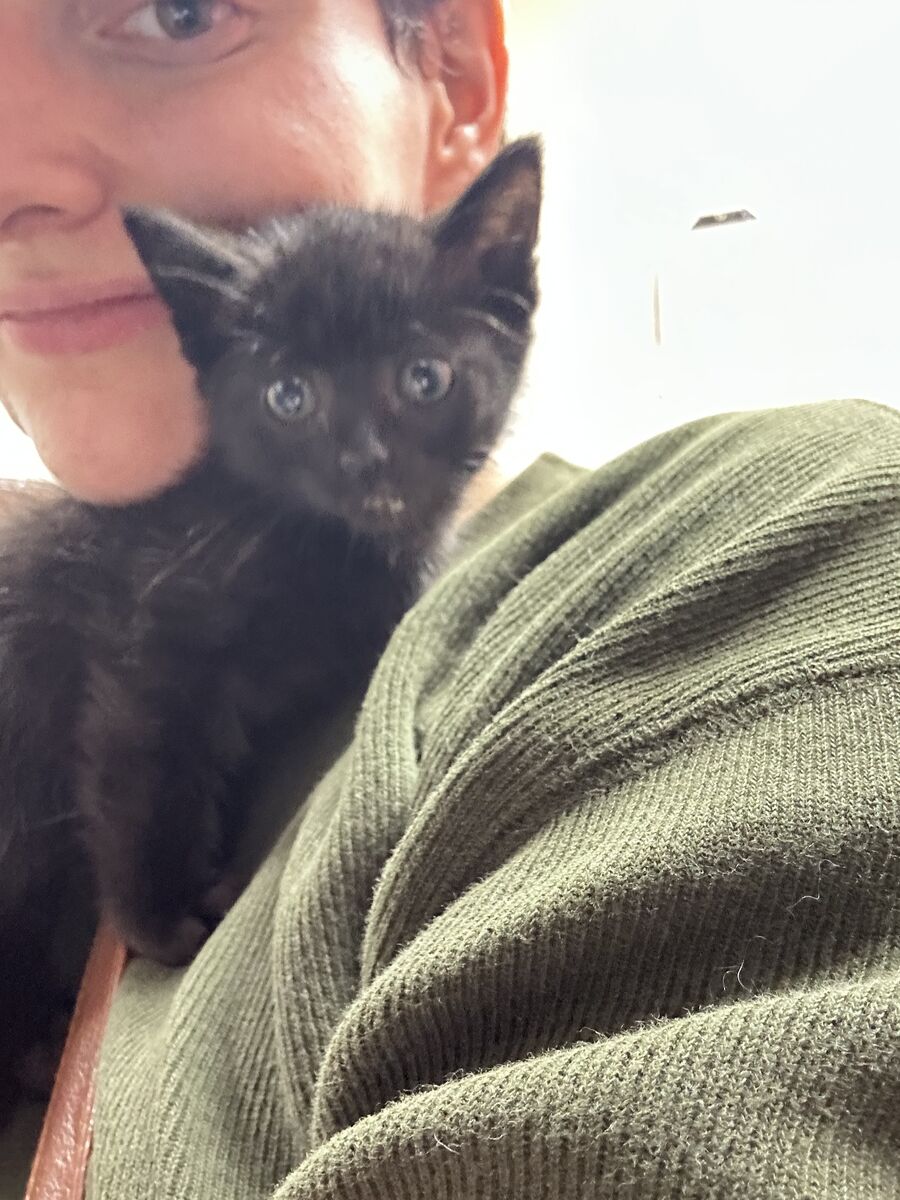
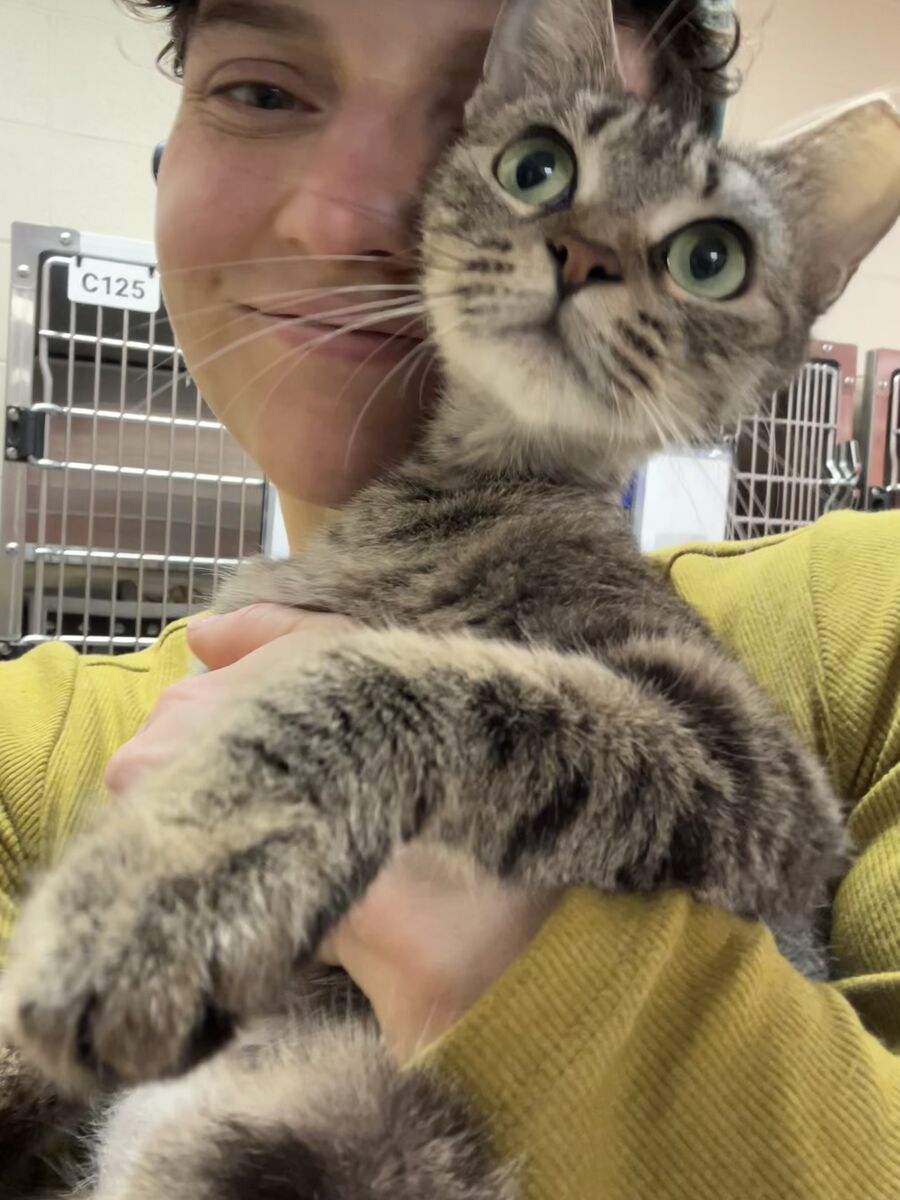
Cat Socializing
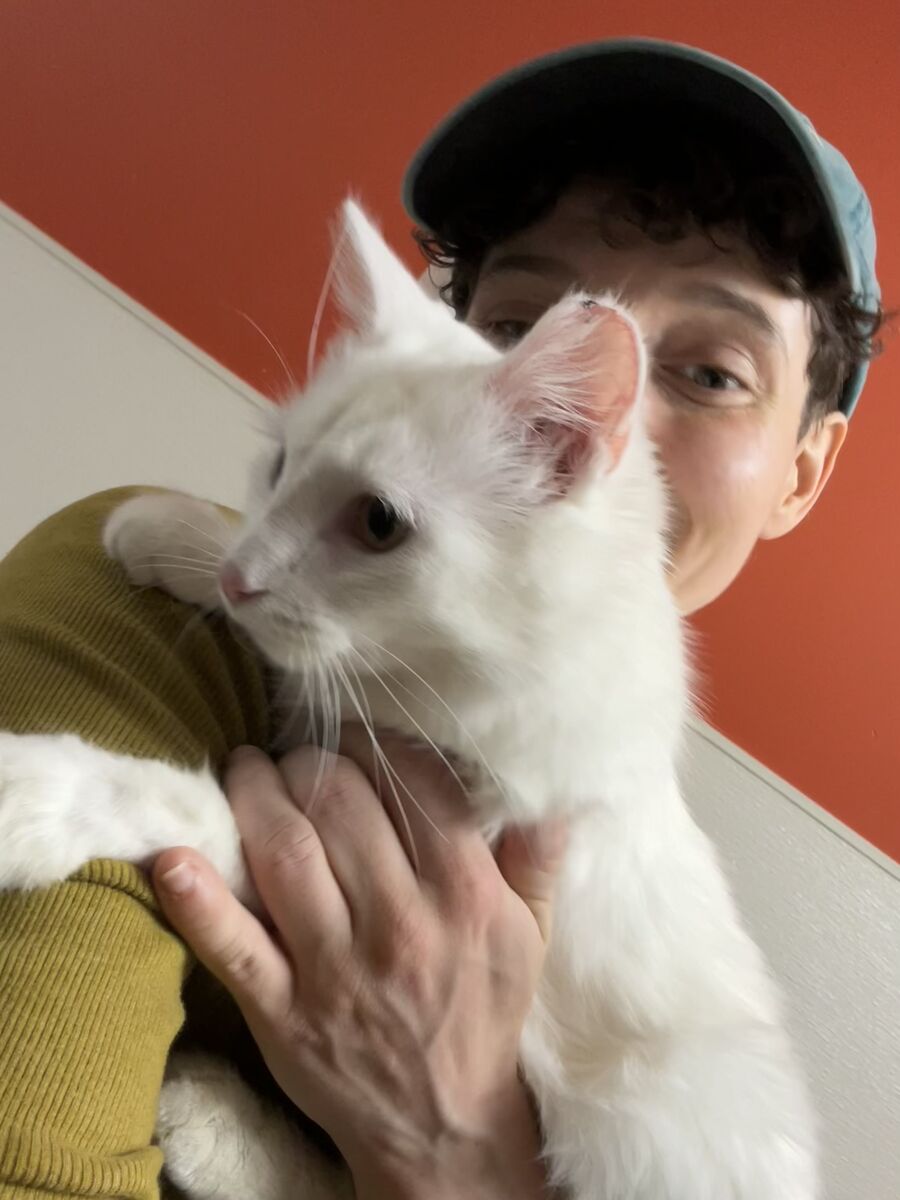
Yes, you can just go sit in a room with cats. Most shelters desperately need cat socializers: people who let shy cats get comfortable at their own pace, play with the outgoing ones, and help the scared ones learn that humans aren't so bad. It's low pressure, surprisingly therapeutic, and makes a real difference for cats who might otherwise shut down in the shelter environment.
The Less Glamorous Stuff
Laundry, dishes, restocking supplies, cleaning up after dogs who had an accident in their kennel. It's not fun but it matters. A clean kennel reduces stress and disease risk, and the staff is usually stretched too thin to keep up with it all. The volunteers who do the unglamorous work quietly are often the most appreciated.
🧁 The Enrichment Station
The perfect entry point if you're nervous about handling dogs. No experience needed, work at your own pace, help every dog in the building, and still get that moment of joy when you hand them out. Most shelters are always low on enrichment. They literally always need more made.
Can't Volunteer? Here's What Shelters Need Most
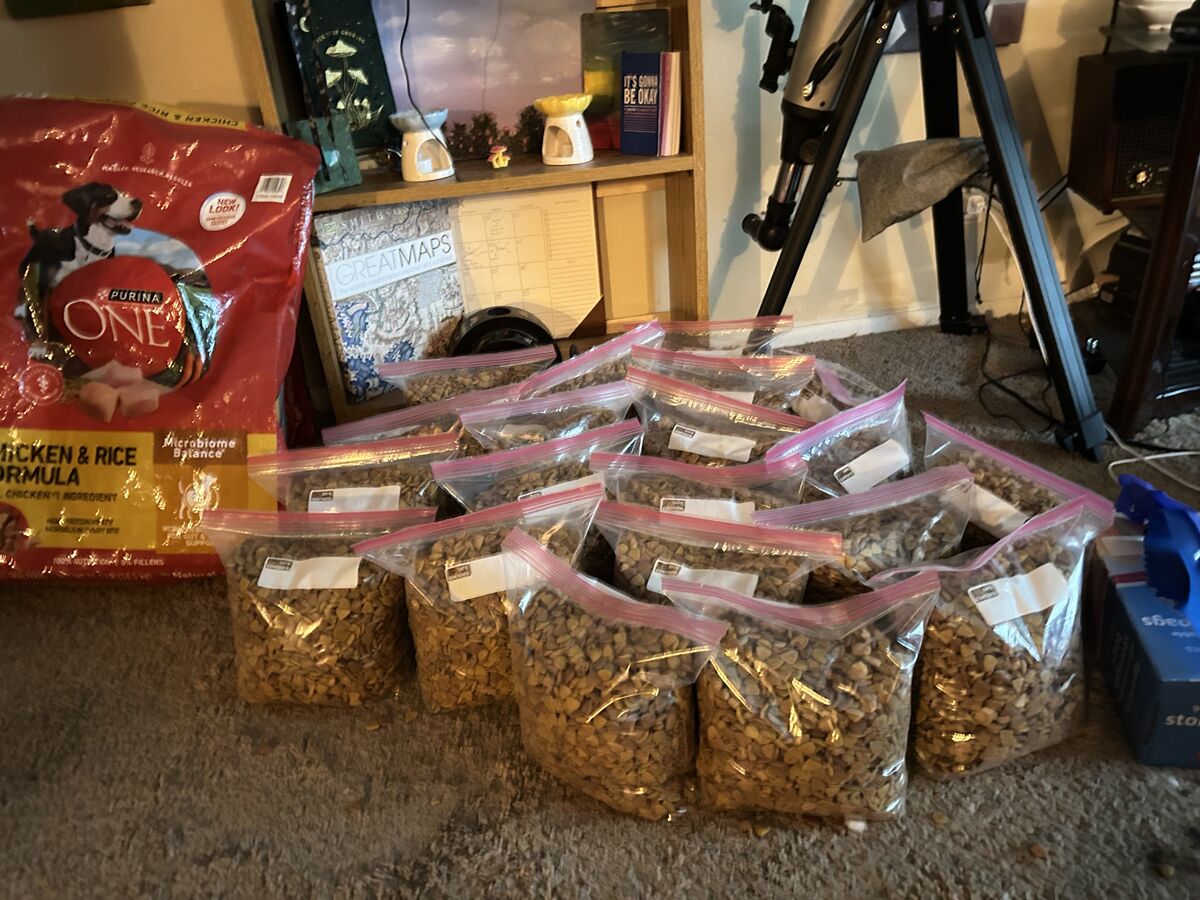
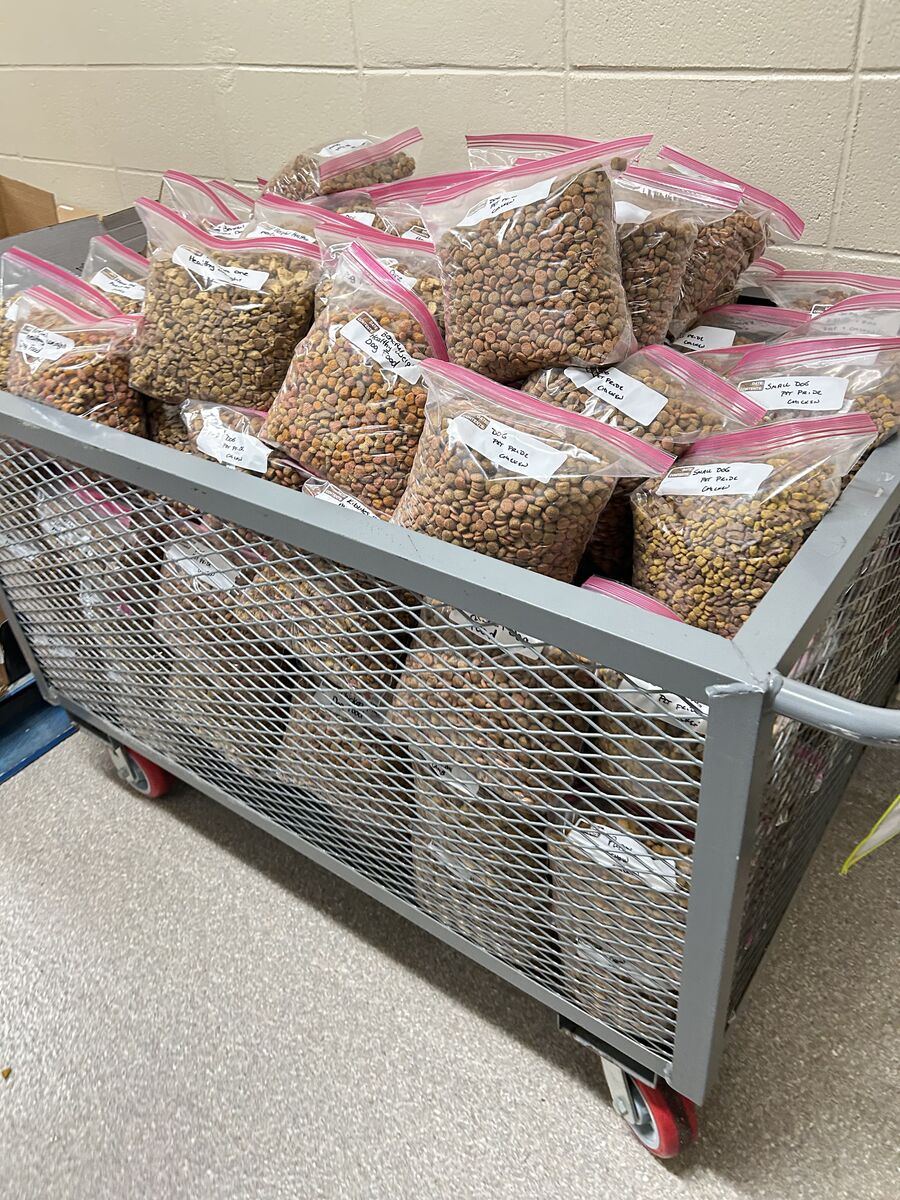
You don't have to give time to help. Shelters are always running low on the stuff that makes dogs' lives a little better in the kennel. The items they burn through fastest:
- Soft, stinky dog treats, not biscuits, the smelly chewy stuff. High-value treats are what get a scared dog to approach you and what make training work. Biscuits don't cut it.
- Vienna sausages. Sounds weird, but shelters go through these fast. Dogs love them, they're easy to break into small pieces, and they work as high-value rewards for nervous or shut-down dogs who won't eat anything else.
Call your local shelter and ask what they need right now. It changes, but soft treats and Vienna sausages are always welcome.
What I've Learned
Dogs aren't themselves in a kennel
A dog who barks nonstop in the kennel might be the calmest sweetest thing on a walk. A dog who hides in the back might just be overwhelmed by the noise. The kennel is not their personality, it's their coping mechanism. Volunteering taught me to see the dog, not the behavior the environment is creating.
Consistency matters more than intensity
Showing up every week matters more than one epic all-day volunteer marathon. The dogs benefit from routine. The staff benefits from reliable people. One solid weekly shift beats sporadic full days.
You will get attached and some dogs will break your heart
You will have favorites. Some will get adopted and you'll be thrilled. Some will be there for months and you'll wonder why nobody sees what you see. Some will leave and you won't know what happened to them. That part doesn't get easier, but knowing you made their time in the shelter better does help.
You don't need to be an expert
I came in knowing I loved dogs. The shelter taught me the rest: how to read body language, how to safely enter a kennel, how to tell the difference between a dog who's nervous and a dog who's about to escalate. Good shelters train you. You just have to show up willing to learn.
How to Get Started
Pick a shelter and apply
Most shelters have an online volunteer application. It's usually short: basic info, availability, why you're interested. Don't overthink it. They want to know you're reliable, not that you have a resume of dog experience.
Attend orientation
Every shelter does this differently. Some do a group orientation, some do one-on-one walkthroughs. You'll learn the basics: safety protocols, where things are, how to read the dog status boards, who to ask when you're unsure about something. This is not a test. It's just "here's how we do things so nobody gets hurt." Let your shelter walk you through their requirements. They know best what you need to get started.
Start small
You don't have to walk the big reactive pit bull on day one. Start with enrichment, laundry, spending time with the easy dogs. Every shelter has dogs who are labeled green or beginner-friendly. Build your confidence before you challenge yourself. There's no rush.
Be honest about your comfort level
If a dog makes you nervous, say so. If you're not comfortable going into a kennel alone, don't. The staff would way rather you tell them than push through and have something go wrong. Being honest about your limits is being a good volunteer.
Keep showing up
The first few shifts will feel overwhelming. You won't know where anything is, you'll feel slow, the dogs will all seem loud and chaotic. That's normal. By week three, you'll have a routine. By month two, you'll have dogs you look forward to seeing. That's when it starts feeling like something you're part of, not just something you're doing.
Looking for local shelters, rescues, and rehoming resources? Check the Resources page →